Slumps are tough for kids. They begin to feel like no matter what they do, they’re never going to get a hit.
It tends to snowball into more of a mental hang-up than a physical one. As parents and coaches, we know that dips and peaks in performance are normal—especially for our young athletes. So what can you do to help them get out of their funk before the negative mindset tarnishes their confidence?
To help them regain confidence in their athletic abilities, it’s helpful to reframe their definition of success at the plate by focusing on what they can control.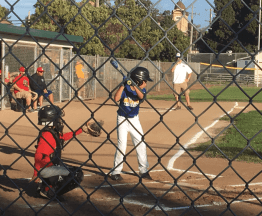
The goal shouldn’t be to get a hit—because technically, you’re not in control of that. There are too many factors at play: umpires, pitchers, fielders, scorekeepers, etc. Instead, the goal should be to have a good or productive at-bat.
What does having a good at-bat look like?
1. Productive mindset.
This is a huge concept with many ways to instill it, but I’ll try to keep it simple. Explain to your athlete that their thoughts need to help them succeed. They can’t just let random thoughts wander through their mind at the plate—nor can they allow negative thoughts that hinder performance.
Their thoughts should be intentional and productive—designed to help produce the outcome they want.
Have them come up with three things they can say to themselves in the on-deck circle and in the batter’s box that will lead them toward success. Include a mix of confidence boosters and mechanical cues.
Examples:
- I’m a powerful hitter.
- Keep my hands high.
- Keep my weight back.
Or:
- Step early.
- I’m a great baseball player.
- See it and crush it.
Make sure these statements are phrased in an outcome-focused way. Encourage them to say what they want to do—not what they want to avoid. For instance:
✅ Keep my hands high
❌ Don’t drop my hands
2. Strong Body Language.
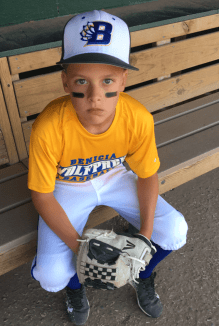
Strong body language is a much more tangible expectation than simply saying, “Make sure you look confident at the plate.” Have your athlete practice both strong body language and weak body language so they can clearly understand the difference and the expectation.
3. Swinging at the Right Pitches.
Batters never get to choose which pitches are thrown to them, but they can choose which ones to swing at. Swinging at good pitches is imperative for having a productive at-bat.
4. Swinging Well at Those Selected Pitches.
They’ve chosen which pitches to swing at—now they need to swing well at those pitches. Did they use the proper hitting mechanics that their hitting coaches have been instilling in them?
Use these things as a checklist after every at bat.
Did you have a productive mindset?
Did you have strong body language?
Did you swing at the right pitches?
Did you swing well at those pitches?
You can do this with them in the backyard or at the cages to instill the habit and begin shifting their perspective on success. Practice “real” at-bats with them. Before each at-bat, make sure to give them time to go through their 3 mental statements. It may help if you do it out loud with them.
Then, have them step into the “box” with strong body language. After each at-bat, go through the checklist with them. Use the no answers as moments to coach and improve. Use the yes answers to deliver well-deserved praise! 
Focusing solely on the things they can control makes success feel more tangible. When hitters, especially kids, are in a slump (side note: don’t use that word when speaking to them about their performance), getting a hit can feel like something that happens by chance. It feels as if all these factors have to magically align before they can finally get a hit. They often relate it more to luck than talent.
By focusing on the controllable things, they’ll feel more confident because they will begin to realize that they play the biggest role in their success at the plate.
WARNING: This isn’t an overnight fix. Changing their definition of success takes consistency and time. I urge you to try and always use this language when talking about hitting with them. Your language will shape the language they use in their heads with themselves. By speaking this way about hitting, they can use their hitless at-bats as learning opportunities, because there are specific things they can change or fix.
When they do get a hit (which they will, because they are focusing on the process—which is how hits happen), they will well up with confidence because they’ll know it wasn’t chance or luck. It was their deliberate hard work.


 One Game, One Love.
Pingback: But He Didn’t Get a Hit… | One Game, One Love.