Team Chemistry Exercises for the Rainy Season
The rainy season can be tough on teams. Practices get canceled, tournaments get rescheduled, and daylight is limited. This is the perfect time in your season to work on team chemistry. Below are a few exercises that can be done indoors or on a blacktop. Some of these might sound silly, but never underestimate how much difference having fun as a team can make in strengthening team cohesion!
My favorite option for rainy day practices is a good old game of Wiffle Ball! Playing a relaxed game of wiffle ball in the gym does more than just improve athleticism—it also helps foster a love for the game. By switching things up and introducing a fun, less competitive environment, you remind athletes why they fell in love with the sport in the first place. It’s a chance for them to experience the game in a fresh, exciting way, moving away from the usual drills and routines that can sometimes feel monotonous. This shift makes the game feel fun and playful again, and when players enjoy themselves, they start to bond more as a team. It helps them build those important relationships outside of the usual practice environment.
Additionally, playing wiffle ball in a gym gives athletes the chance to adjust to unpredictable conditions. The space is smaller than a typical field, the ball bounces differently, and they have to shift their positioning and expectations. These little changes are a great way to prepare them for the reality of different field conditions, weather, or other unexpected factors that can arise during games. It challenges them to think quickly and stay alert, boosting their reaction time, agility, and overall athleticism. But most importantly, this shift in focus helps athletes remember why they play in the first place—because it’s fun. And that’s one of the most important things we can do as coaches: remind our athletes that the love of the game is what keeps them going.
Wiffle Ball in the Gym
Equipment: Wiffle ball, bats, bases, and cones for the field setup
Purpose: Team bonding, playing in variable conditions, and improving athleticism
Instructions:
-
Set up a wiffle ball field in the gym using cones to mark bases and boundaries. You can modify the layout depending on available space.
-
Divide the players into two teams and follow the basic rules of wiffle ball. This is a great way to keep things fun while focusing on basic softball skills like hitting, fielding, and base running.
-
Rotate players through different positions to improve their versatility and athleticism.
-
The key to this activity is to emphasize that conditions aren’t always perfect, and the ability to adapt and stay focused in variable situations is essential.
This idea is backed by research, too. The constraint coaching method encourages skill development through realistic, yet challenging, conditions. By limiting space and using wiffle balls in a gym, you introduce variability (constraints) that forces athletes to adapt and problem-solve on the spot. For example, when players are used to a larger field, shrinking the space in the gym forces them to think and act faster, which sharpens their decision-making and execution under pressure.
What Makes a Good Teammate?
Equipment: Paper and pencil
Purpose: To create a supportive, safe team environment
Instructions:
-
Have the team gather in a circle.
-
Assign two players to take notes on paper.
-
Ask each player to answer these two questions:
a. Why do you play softball?
b. What do you need in a teammate?
-
After everyone has answered, go around the circle and have each player share their responses.
-
Once all answers have been shared, read the list of characteristics out loud.
-
As a group, consolidate the common characteristics that make a good teammate. Discuss examples of each characteristic. For example:
-
How can a player show a supportive attitude? (e.g., high fives, picking players up, no trash talking, and using respectful tones)
-
Encourage players to talk about how they can demonstrate these qualities to their teammates.
Human Knot/Circle Sit
Equipment: None
Purpose: Teamwork, communication, and leadership
Instructions:
-
Have the team stand in a small circle.
-
Instruct each player to reach out with their RIGHT hand and grab a teammate’s hand.
-
Next, have them reach out with their LEFT hand and grab a DIFFERENT teammate’s hand (making sure no one is holding both hands of the same person).
-
Tell the players that they CANNOT let go of the hands they’re holding during this activity.
-
The goal is for the team to untangle themselves and form a large circle, all still holding hands. (If the group forms two smaller circles or a figure-eight shape, that’s okay!)
-
Once they’ve completed the activity, have the team reflect on what helped them achieve the goal and what hindered them.
Circle Sit (Another Fun Variation)
Equipment: None
Purpose: Team trust, communication, and cooperation
Instructions:
-
Have the players stand in a very tight circle, chest to back, with each player as close to the next as possible.
-
On your signal, have all players sit down at the same time, aiming to sit on the lap of the player behind them.
-
The goal is for the circle to hold everyone up as they sit down. This exercise fosters trust and teamwork.
-
Afterward, discuss how they worked together and what challenges they faced in staying balanced.
Team Mission Statement
Equipment: Paper and pencil
Purpose: To create a mission statement for the team
Instructions:
-
Send the team to a quiet area where they have privacy, such as center field.
-
Designate one or two players to take notes.
-
Have each player share their personal goals for the team this season. Topics may include:
-
Win/loss records
-
Team cohesion and morale
-
Performance improvements
-
The team should now combine everyone’s thoughts and goals into one cohesive mission statement. This statement should reflect the values and priorities of the team for the season.
-
The final mission statement should be something everyone can say together as a team. It can be used in pre-game cheers or as a reminder of their shared commitment.
2 Truths and a Lie
Equipment: Paper and pencil
Purpose: To help teammates learn more about each other
Instructions:
-
Have each player write down three statements about themselves: two truths and one lie.
-
Once everyone has written their statements, go around the room, and have the team guess which of the three statements is the lie.
-
If the team doesn’t guess correctly, the player who wrote the statements earns a point.
-
Continue until all players have shared their statements and the team has made their guesses.
Link Tag
Equipment: None
Purpose: Fun, conditioning, and social cohesion
Instructions:
-
Pair up the players, ensuring each pair is linked by their elbows. Spread the pairs around the playing area.
-
Select one pair to begin. In that pair, choose one player to be “it” and the other player to be the “chaser.”
-
The “it” person runs around the playing area. At any time, they can link up with any pair of players.
-
When the “it” player links with a pair, the person from the pair who wasn’t linked with must separate from the chain and become the new “it.”
-
The other player from the pair who wasn’t linked with is now free to join another pair. This continues until the facilitator says the game is over.
-
Keep an eye on the action and ensure players aren’t in situations where they mistakenly think they are “it” or tag someone too early.
Balloon Relay Race
Equipment: Balloons
Purpose: Teamwork, fun, and social/task cohesion
Instructions:
-
Split the team into pairs of the same gender.
-
Set up a racecourse with a cone at the turnaround point.
-
Each pair must side-hug and hold a balloon wedged between them as they race.
-
They must run down to the cone, around it, and back to the starting point.
-
The team must repeat this 12 times, with different pairs going each time.
-
If the balloon drops, the pair must stop and wedge it back between them before continuing.
Dizzy Bat
Equipment: Bat
Purpose: Fun and social cohesion
Instructions:
-
Split the group into two teams.
-
Set a race distance, depending on the available space.
-
For the first leg of the race, give one runner from each team a bat.
-
Have the player spin around 10 times with their head on top of the bat (while the bat stays on the ground).
-
Once they complete the 10 spins, they must race to the designated point and back.
-
Once they return, they tag the next player in line, who repeats the spinning and running process.
-
The race continues until every player on the team has participated. The first team to finish wins!
Whether it’s playing a lighthearted game of wiffle ball in the gym or diving into exercises that foster communication, trust, and teamwork, these activities remind athletes why they love the game. They break up the monotony of daily drills, give players a chance to bond outside of competition, and help them adapt to variable conditions—key skills for real-game situations. When we, as coaches, introduce fun, less competitive environments, we keep the heart of the sport alive, making it exciting again and encouraging players to grow, not just as athletes, but as teammates. Above all, fostering a love for the game is one of the most important things we can do. It’s this love that drives players to push through the tough moments, build stronger connections, and ultimately, become better versions of themselves both on and off the field.

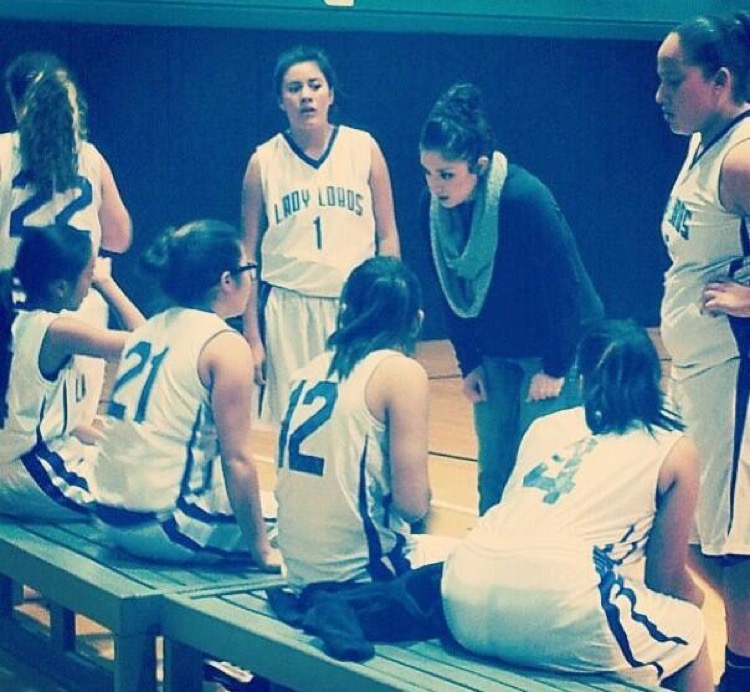 It took her a second to gather herself before she realized she needed to be on the other end of the court for defense. I kept my eye on this player for next few minutes and noticed after every single “attempt” her body language was full of self-doubt. It was obvious she felt defeated by the physical performance she was displaying. Although I can’t speak to how well she was previously playing before I arrived, her defeated body language wasn’t aiding in current performance.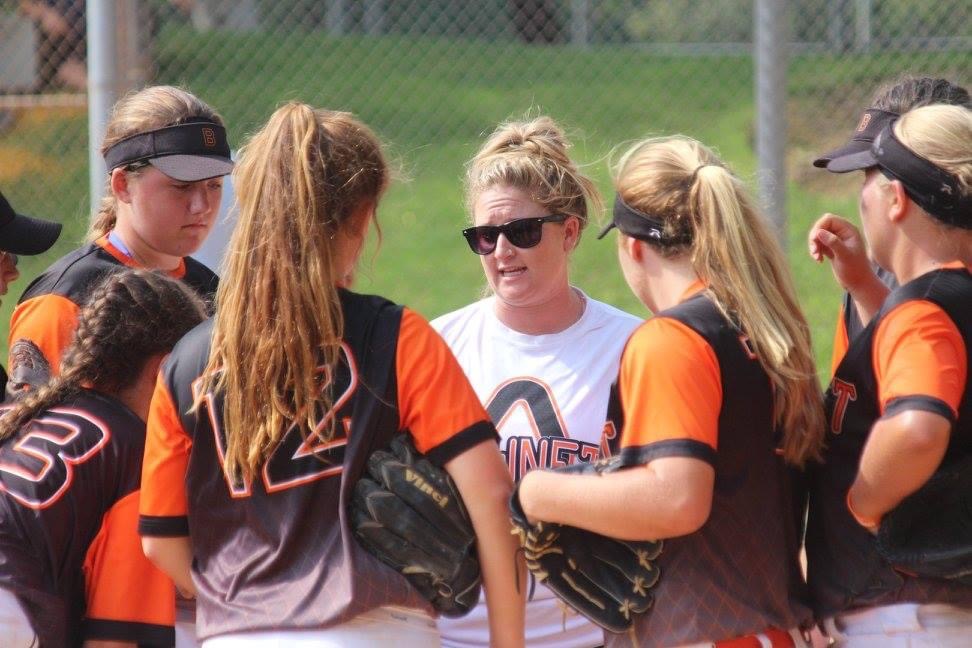
 I learned to push my skill level by keeping the mindset that the team’s success was more important than my own.
 loved most. Creating that unique bond with your teammates is something I haven’t found in any other environment in my life. When you know that the people around you care just as much or more about your success than they do about theirs is an indescribable feeling. It’s why teams become families and create bonds that last a lifetime. With so much focus on individual success and college scholarships a lot of athletes are missing out on what it feels like to be a true teammate.




 One Game, One Love.