Tag Archives: character building

The Power and Beauty of Selflessness

Posted on

I believe that selflessness is one of the most important characteristics an athlete can possess when playing on a team. For a team to reach its full potential, athletes must be willing to make personal sacrifices for the greater good of the team. A true teammate mentality starts with asking, “What does the team need?” before asking, “What do I need?”

When I was an athlete, one of my favorite things about playing on a team, was the opportunity I had to help my teammates be successful.IMG_9849 I learned to push my skill level by keeping the mindset that the team’s success was more important than my own.
On defense, playing for my teammates helped me overcome my fears. Instead of focusing on how intimidating diving for a ball was, I focused on getting the out my pitcher needed to end the inning. I knew that if I didn’t lay out, she would have to face another batter. The desire to help my teammates outweighed my fears.

As a coach, I’m noticing that this mindset seems to be less common. Perhaps I was simply oblivious to the growing selfish culture of sports when I was an athlete, but it feels like the game has drastically changed. Today, athletes are so focused on securing a collegiate scholarship that they’ve lost sight of the importance of their teammates. It’s all about “me, me, me” or “I, I, I,” and rarely do we hear concerns for “we,” “the team,” or “us.” We often hear complaints like, “Why am I not starting at first base?” or “I didn’t get enough fly balls at practice.” What’s even worse is that many of these complaints aren’t coming from the athletes themselves, but from their parents. “My daughter only got to base run today at practice.” “My daughter sat out two games this weekend.”

This culture of hyper-focusing on individual success is eroding a piece of the game I IMG_0064loved most. Creating that unique bond with your teammates is something I haven’t found in any other environment in my life. When you know that the people around you care just as much or more about your success than they do about theirs is an indescribable feeling. It’s why teams become families and create bonds that last a lifetime. With so much focus on individual success and college scholarships a lot of athletes are missing out on what it feels like to be a true teammate.

I believe it’s imperative for coaches to foster a team culture rooted in selflessness. Selflessness is the foundation of true teamwork, and teamwork is one of the greatest factors contributing to success. Coaches should praise athletes when they display selflessness and reward those who’ve mastered what it means to be a true teammate. Create opportunities for athletes to demonstrate their selflessness and set team guidelines so everyone understands what is expected. When athletes see what selflessness looks like, it will be easier for them to embrace it both on and off the field. Selflessness has the power to help athletes reach their full potential by teaching them how to rely on their teammates and experience genuine teamwork.

Quote of the day:
“It’s not about what the team can do for you, it’s about what you can do for the team.”

A Perspective on Playing Rough

As a coach, if you resort to rough play, what does it say to your opponent, and what does it say to your players?

Through out my experience as an athlete, I don’t remember having an opinion or perspective on rough play. I do, however, remember a specific incident when one of my teammates made a rough move on our opponent. The only thing my coach told her was, “If you’re going to dish it, be prepared to take it.” I immediately adopted this response as my philosophy in regard to rough play. I would never encourage it, but if it were to happen, my players better be prepared to deal with the consequences gracefully.images-41Now that I’m a little wiser and a little older, I wouldn’t tolerate rough play from my athletes. I want my team to be respected not only for their talent but how they present themselves. I want my athletes to achieve success in the fairest play possible, without any sort of rough or negative behaviors. Playing rough, reminds me of the saying, “If you ain’t cheating you ain’t trying”. If a team resorts to playing rough, it puts off the vibe that they are incapable of defeating their opponent fair in square. They need an extra edge to defeat the opposing team. If I’m the opponent, I take this as a compliment. My team is so good, our competitors are worried about beating us, so they are resorting to other means. As for my own team, I want them to believe that being a winner means putting in your best effort, not cheating and merely attaining a higher score to be named the winner. It’s all in how you define success, I don’t agree with winning at all costs, I believe in winning means putting forth your best effort. Respecting the game, the opponent, your teammates, coaches, and officials.

Playing rough teaches players to get rough when the tough gets going, and not only on the sports field, but it also teaches them that getting rough is the answer in life. As coaches we can instill the opposite trait in our players by teaching them to react with good sportsmanship when this situation presents itself. This will carry on with them through life, and help them to always treat people with kindness no matter how rude or rough they are. As an adult, networking is the key to success, especially in the workforce; learning to never burn bridges is a great lesson to instill early on.

Quote of the Day:

“Be more concerned with your character than your reputation. Your character is what you really are; your reputation is merely what others think of you”- John Wooden. 

Do Sports Build Character?

Do Sports Build Character? According to a Research Digest article entitled, “Sports and Character Development”, simply put, no. However, CAN sports build character? Yes. And I completely agree. In the article they identified three prominent aspects of character as; Perspective-taking and empathy, moral reasoning, and motivational orientation. So, someone with good character knows how to see the world through anothers’ eyes, and can empathize with their situation. They know right from wrong, and act accordingly. Lastly, they are motivated intrinsically; they strive to truly master a skill, rather than just to simply beat an opponent.

We can’t just throw youth into sports programs and expect them to emerge with a good stable character that will enable them to “live in fidelity with their moral values”.  To me, this point is obvious. For instance, look at our professional athletes, how many times have we seen our sports idols golic2caught up in a steroid scandal? If their history with sports had created a sound character for them, they would believe cheating was wrong, and wouldn’t be tempted to win by an unfair advantage. On the contrary, sports seem to be a big contributor to the good character displayed by players like Buster Posey and Greg Maddox. So what’s the secret?

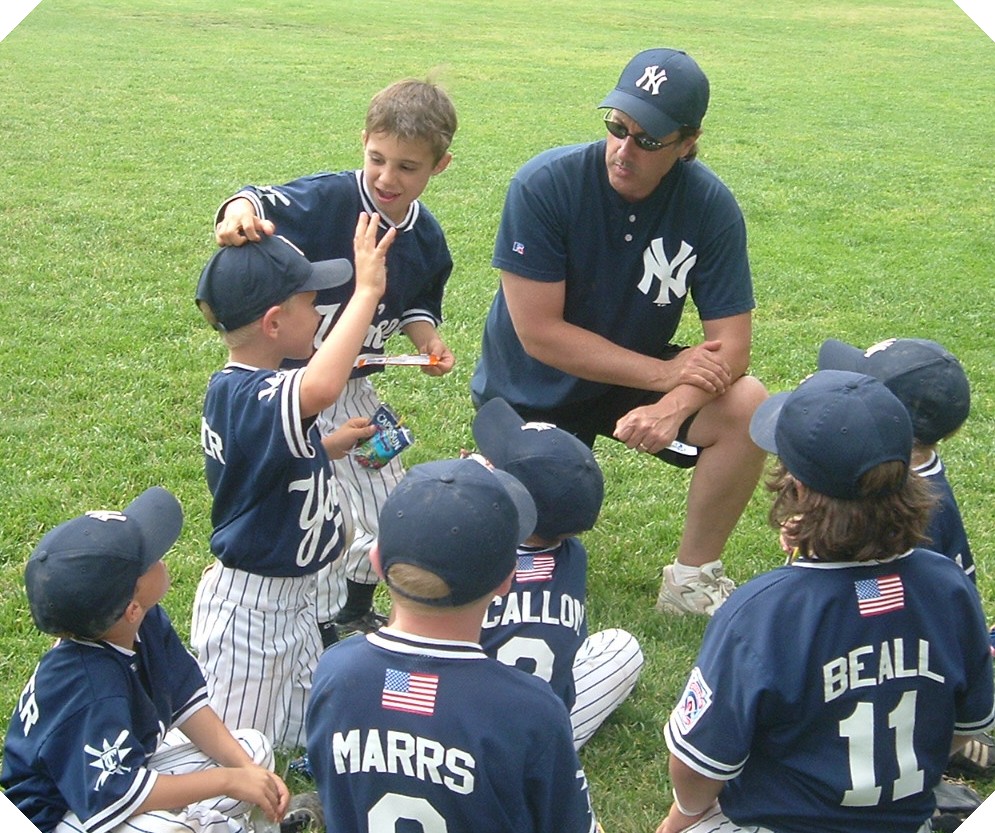
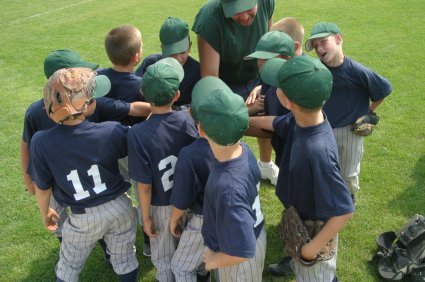
According to the article, coaches of sports programs have to consciously implement character building into their coaching philosophies and styles. They have to talk about, and discuss, the aspects of good character and how it relates to sports with their players. My favorite example of this strategy demonstrated how to bring awareness to the character trait of empathy. youth-sport-baseball-playersIt’s so common in sports to hear a coach say, “keep your head in the game” when an opponent gets injured. Empathy is almost shunned in the moment. But, after the game, coaches can ask their players to put themselves in the injured players shoes. Asking them, “How do you think suzy felt when she hurt her ankle sliding into home plate?”.  Coaches can open up the conversation, allowing them to realize that getting injured or losing, isn’t the easiest situation to be in.

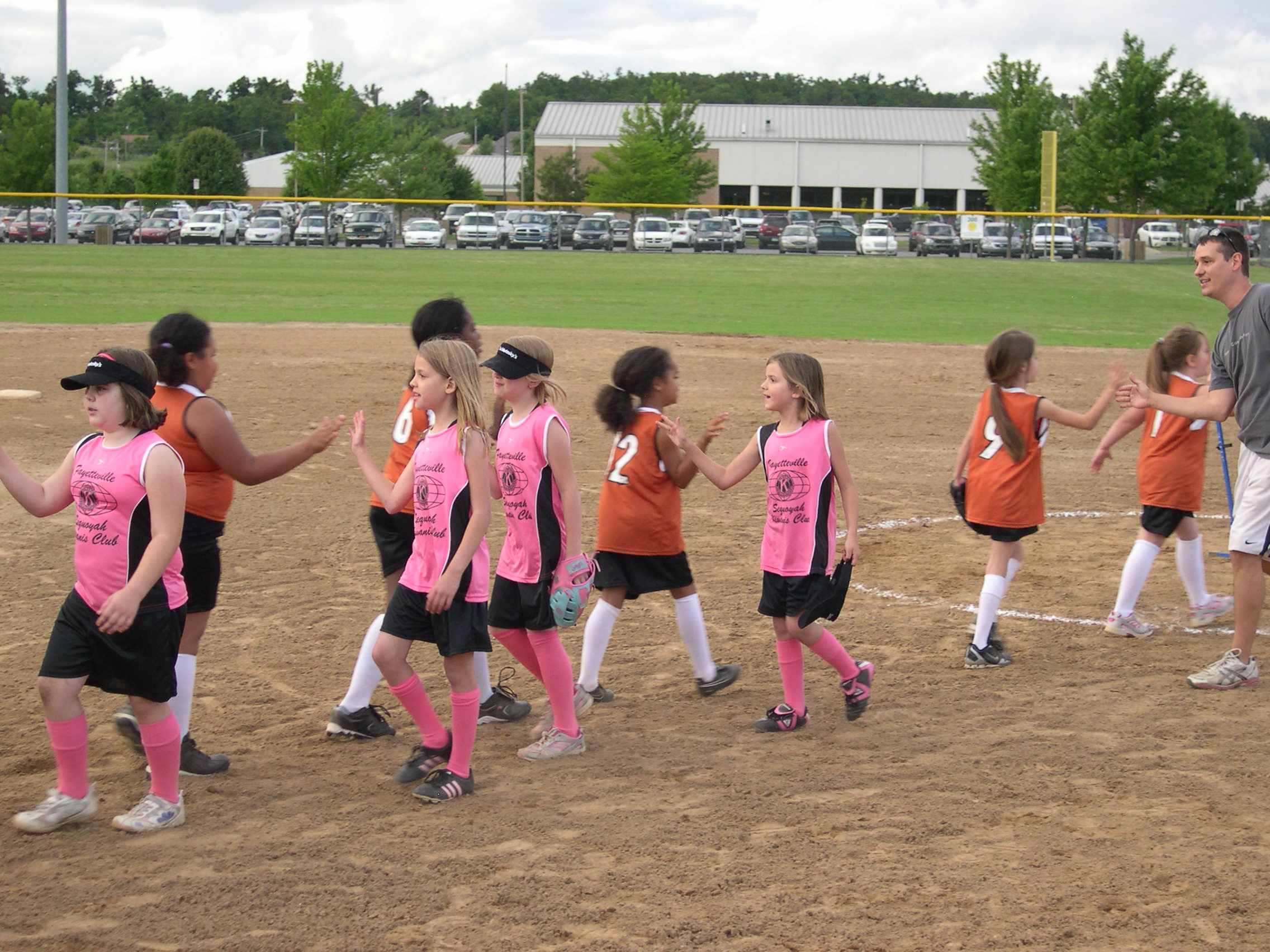
As a coach, you have a huge impact over the “motivational climate” of your program. In the Sports Psychology world, it is common softball_pics_161knowledge that intrinsic motivation is more beneficial than extrinsic motivation in the long run. You want your players to strive to be the best they can be, not just better than their opponent. You want them to play the sport because it feels good on the inside, gives them a sense of compentency (internal rewards), not because they get to show off, or be considered a winner  (external rewards). Coaches can alter the “motivational climate” to breed intrinsic motivation. Make practices focus on giving your best effort, being better than you were the day before, and highlight the positive things.

Being a coach gives us such a unique avenue into shaping someones life, personality, and experiences. In learning and implementing strategies, like these named above, only increases my confidence of becoming the inspirational coach I want to be someday. One of the reasons I love Sports Psychology so much is that it seamlessly applies to my everyday life. I get to use these tools in my day to day life, nobody’s perfect, and I certainly am not. These are things I can talk about with my friends, or acquaintances, or even my kids one day. You don’t have to be a coach, or be in the sports atmosphere to apply these strategies. These are strategies I can use with my kids in the car some day. Just facilitate a conversation about one of their friends that got hurt, BAM, character building lesson right there in the car.

Just another tool to throw into my coaching, and everyday life, tool kit. Thanks for reading. 🙂

Quote of the day:

Be more concerned with your character than your reputation. Your character is what you really are and your reputation is merely what others think of you”- John Wooden.  

Read the full article, “Sports and Character Development” at

https://www.presidentschallenge.org/informed/digest/index.shtml

Baring it all

My world from my perspective.

One Game, One Love.

Coaching perspectives and life lessons of a Sports Psychology M.A.

Live Love Sport

Improving your mental game

Secret Life of a Startup

Some things you can't complain about at work

M I Initiatives

Belief in Human Potential